Archive for the ‘Senior Health’ Category
‘Blood Pressure’ seminar with Interim
 August 29th, 2013 |
  Author:
  A representative from Interim HealthCare will present a talk titled “Blood Pressure” at 10:30 a.m. Tuesday, Sept. 10, at the Oak Park Arms retirement community, 408 S. Oak Park Ave. The seminar is part of the ongoing “Here’s To Your Health” monthly series.
Blood pressure is considered a barometer of overall circulatory health and is one of the vital signs; it’s a measure taken by medical professionals to assess the body’s most basic functions. Blood pressure is determined by the amount of blood the heart pumps and the amount of resistance to blood flow in the arteries. The more blood pumped and the narrower the arteries, the higher the blood pressure.
When blood pressure is too high (also known as hypertension) and left untreated, serious health problems such as heart disease or stroke may occur. High blood pressure is a common condition in people which typically develops over many years and eventually affects nearly everyone. In fact, people can have high blood pressure for years without any symptoms.More than half of seniors have high blood pressure.
This condition is easily detected and managed, but the only way for a person to find out is to have blood pressure measured by a doctor or nurse. A diagnosis of high blood pressure is given if repeated readings are 140/90mmHg or higher.
Reducing high blood pressure is as simple as exercise and a healthy diet. A low-salt, low-fat diet focused on fruits, vegetables and grains has been proven to help reduce hypertension. In addition, 30 minutes of exercise a day is recommended. For seniors this can translate into simply walking more often or engaging in household chores.
Medication is also an option for those who struggle with implementing a lasting lifestyle change.
The Oak Park Arms is a rental retirement community which provides independent and assisted living apartments and a full schedule of activities and services. Furnished apartments are also available for a short-term stay – a weekend, a week, a month or longer.
The program is free and open to the public. For more information call Jill Wagner at 708-386-4040.

 Posted in Oak Park Arms, Senior Health |
  Tags: assisted living, assisted living Oak Park, blood pressure, free, Interim Healthcare, Oak Park Arms, senior health |
  No Comments »
Discuss Arthritis with Dr. Cutro over “Breakfast with the Docs”
 Brent Cutro, D.O., will lead a discussion on arthritis at “Breakfast with the Docs” at 8:30 a.m. Tuesday, July 23, at the Oak Park Arms retirement community, 408 S. Oak Park Ave.
Roughly one in five adults is diagnosed with arthritis, and over 50% of those ages 65 or older suffer from some type of arthritis.
Arthritis–the inflammation of one or more joints which results in pain, swelling, stiffness, and limited movement–develops as a result of the breakdown of cartilage. Cartilage lines a joint, cushioning it and allowing for smooth movement. Cartilage also absorbs shock when pressure is placed on the joint like when a person walks. A loss of cartilage causes the bones to rub together which results in pain, swelling (inflammation) and stiffness.
While there are over 100 different types of arthritis, osteoarthritis and rheumatoid arthritis are the two most common forms. Osteoarthritis typically develops because of normal wear and tear, while rheumatoid arthritis is an autoimmune disorder.
Symptoms of arthritis include:
• Persistent joint pain
• Pain or tenderness (in a joint which is aggravated by movement)
• Joint deformity
• Loss of range of motion or flexibility
• Inflammation (joint swelling, stiffness, redness, and/or warmth)
This disease typically worsens with age. Treatment options vary depending on the type of arthritis, however proper diet (including enough protein) and exercise can help alleviate discomfort. In addition, stretching daily, warm baths and massages help relieve muscle tension.
Dr. Cutro is a new physician at the Oak Park Arms. Prior to joining the Arms he practiced internal medicine at West Suburban Hospital.
The Oak Park Arms is a rental retirement community which provides independent and assisted living apartments and a full schedule of activities and services. Furnished apartments are also available for a short-term stay – a weekend, a week, a month or longer.
The event is free and open to the public. And it’s not called “Breakfast with the Docs” for nothing: participants who attend will also be served a healthy breakfast.
For more information, or to reserve a seat, call Jill Wagner at 708-386-4040.
Posted in Oak Park Arms, Senior Health |
Tags: arthritis, assisted living, assisted living Oak Park, Breakfast with the Docs, free, health, Oak Park Arms |
No Comments »
Here’s to Your Health: Medication Management
 Cathy Conlon, RN, from Interim HealthCare will present a talk titled “Medication Management” at 10:30 a.m. Tuesday, May 21, at the Oak Park Arms retirement community, 408 S. Oak Park Ave. This seminar is part of the ongoing “Here’s To Your Health” monthly series.
The main reason people are hospitalized or go the emergency room is because of over-the-counter and prescription drug errors. Seniors use prescription drugs almost three times as frequently as the general population, and their use of over-the-counter medications is even more extensive.
Since 1992, the Food and Drug Administration has received nearly 30,000 reports of medication errors.
The elderly make up 13 percent of the population but receive one-third of all prescribed medications. They tend to have more chronic pain issues, use multiple medications and may be experiencing waning cognition, so they are especially susceptible to unintentional misuse or abuse of their medications.
The most common types of medication errors include:
• administering an improper dose
• giving the wrong drug
• using the wrong route of administration
These errors result from a combination of a lack of communication between doctors and patients and performance and knowledge deficits. Almost half of fatal medication errors occurred in people over 60. Seniors are especially at risk for errors because they often take multiple medications. In addition, drug metabolism changes with age predispose seniors to more toxic effects of medications.
Ways to minimize medication errors include understanding:
• what drug is prescribed, what it’s for and how to properly take it rather than simply letting the doctor write a prescription
• how to properly store a drug (room temperature, refrigerator, etc)
• what foods or beverages should be avoided with the drug
• what side effects to expect and what to do if they arise
Avoid mistaking similar bottles (i.e. eye drops and ear drops) by reading the label every time, and use the proper measuring device included. A current list of all medications (including over-the-counter, dietary supplements, sleeping aids, etc) should be on hand for doctors, and all medication allergies and past drug reactions should be discussed with doctors.
In addition, fill prescriptions from the same pharmacy if possible, so all records are in one place. Even if a medication has been taken in the past, if anything seems different about it a second time around, questions should be asked.
The Oak Park Arms is a rental retirement community which provides independent and assisted living apartments and a full schedule of activities and services. Furnished apartments are also available for a short-term stay – a weekend, a week, a month or longer.
The program is free and open to the public. For more information call Jill Wagner at 708-386-4040.
Posted in Oak Park Arms, Senior Health |
Tags: assisted living, assisted living Oak Park, free, Interim Healthcare, medication management, Oak Park Arms |
No Comments »
Here’s to Your Health: Smiles for Seniors
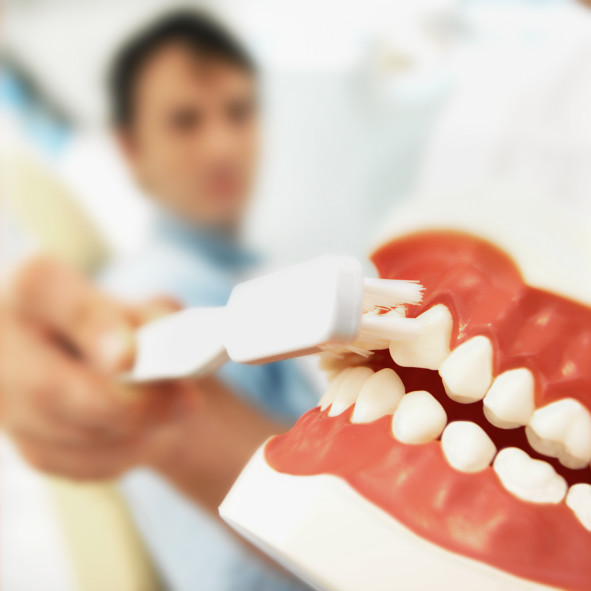 Nurse Pat from Interim HealthCare will present a talk titled “Smiles for Seniors” at 10 a.m. Tuesday, April 9, at the Oak Park Arms retirement community, 408 S. Oak Park Ave. This seminar is part of the ongoing “Here’s To Your Health” monthly series.
With proper dental care, a person’s teeth can last a lifetime. Brushing twice a day and flossing daily, along with regular dental check-ups, will keep teeth and gums healthy.
Although gum disease is not a normal part of aging, seniors may be at a higher risk for developing it because of certain medications, wearing dentures or general health conditions. Other changes as people age, such as receding gums, can also contribute to a faster build up of plaque.
The most common contributors to gum disease include:
• bad diet
• poor oral hygiene
• diseases such as diabetes, cancer and heart disease
• environmental factors (i.e. stress and smoking)
• certain medications that affect gum condition
Because gums naturally recede over time, decay on root surfaces and an increase in sensitivity and cavities become more common in older adults.
Seniors may especially have a difficult time properly cleaning teeth because of conditions such as arthritis. When this is the case, increasing the size and length of the toothbrush often helps.
The size and length of a toothbrush can be increased by:
• wrapping the handle with tape to make it bigger
• inserting the handle into a rubber ball or bicycle grip handle
• taping tongue depressors, popsicles or rules to the handle
• attaching a wide elastic band to the toothbrush and sliding it under the hand
A battery or electric-powered toothbrush is also a great solution for many people. For easier flossing, a number of aids can be purchased at the local drugstore.
Even people who do not have any teeth should visit the dentist at least once a year for a comprehensive oral exam which screens for signs of oral cancer and other oral health or medical problems in the mouth, head and neck areas.
The Oak Park Arms is a rental retirement community which provides independent and assisted living apartments and a full schedule of activities and services. Furnished apartments are also available for a short-term stay – a weekend, a week, a month or longer.
The program is free and open to the public. For more information call Jill Wagner at 708-386-4040.
Posted in Oak Park Arms, Senior Health |
Tags: assisted living, assisted living Oak Park, free, health, Oak Park Arms |
No Comments »
Discuss the Risks, Deficiencies and Popularity of Vitamins over “Breakfast with the Docs”
 Blanca Baldoceda, M.D., MPH, will lead a discussion on vitamins and myths of taking vitamin supplements at “Breakfast with the Docs” at 8:30 a.m. Tuesday, April 16, at the Oak Park Arms retirement community, 408 S. Oak Park Ave.
As people age, their body’s ability to absorb vitamins and nutrients from food becomes less efficient. Aging can also affect appetite, and a lack of access to healthy meals may prevent maintaining a varied diet or can force a person to skip meals altogether. In addition, certain medications or restrictive health issues may impact the body’s natural processes or limit vitamin absorption.
Symptoms of mild vitamin deficiencies in seniors include anemia, cognitive impairment, an increased tendency for developing infections and poor wound healing. Severe vitamin deficiencies can even lead to irreversible organ damage.
Seniors in particular should be aware of certain vitamins because of their benefits and because of their common deficiencies. Understanding vitamins and their contributions to a healthy wellbeing will contribute to overall health and wellness.
The most common vitamin deficiencies in seniors are:
• Vitamin A – necessary for healthy immune system and helps fights cancer
• Vitamin B12 – low levels can lead to reversible dementia
• Vitamin C – necessary for antioxidants important for wound healing
• Vitamin D – low levels cause lower bone density and bone pain
It is important to eat nutrient-dense, healthy meals. These foods include:
• fruits and vegetables
• whole grains
• low-fat or fat-free dairy products
• seafood, lean poultry and meats, beans, eggs, unsalted nuts
• limit consumption of solid fats, cholesterol, sodium and added sugars
Dr. Baldoceda is the medical director of PCC South Family Health Center in Berwyn. She graduated from the University of Illinois at Chicago College of Medicine in 2001. She is board certified in Family Medicine and has over 12 years of medical experience.
The Oak Park Arms is a rental retirement community which provides independent and assisted living apartments and a full schedule of activities and services. Furnished apartments are also available for a short-term stay – a weekend, a week, a month or longer.
The event is free and open to the public. And it’s not called “Breakfast with the Docs” for nothing: participants who attend will also be served a healthy breakfast.
For more information, or to reserve a seat, call Jill Wagner at 708-386-4040.
Posted in Oak Park Arms, Senior Health |
Tags: assisted living, assisted living Oak Park, Breakfast with the Docs, free, Oak Park Arms, vitamins |
No Comments »
How “Happiness Grows” discussed over Breakfast with the Therapist
 Peggy Regnier, LCSW, presents a talk titled, “Happiness Grows,” at 8:30 a.m. Friday, March 22, at the Oak Park Arms retirement community, 408 S. Oak Park Ave.
The American Geriatric Society proposes that happiness keeps growing as people age. And unlike the way popular culture portrays aging in movies and T.V., people actually seem to develop a higher capacity to avoid stress and utilize personal wisdom in making social decisions. This leads to more satisfying relationships and helps people savor enjoyable experiences.
Research shows that happiness levels are quite high in the 20s, but dip through the 30s and reach their lowest point in the mid-forties. After 50, happiness levels again begin to rise well through the 60s. As long as seniors are in fairly good health, 70 year olds and counting are on average as happy and mentally healthy as 20 year olds.
Some psychologists believe this is in part because of the development of cognitive processes that result in the focus and memory of positive events over negative ones. Those processes, they think, help seniors better regulate their emotions, allowing them to view life more positively.
Regnier’s lecture will explore how seniors are particularly well adapted to common challenges in mental well-being often even surpassing younger populations. The discussion will touch upon other aspects of senior mental health such as how older adults are less prone to let the opinions of others affect them, and are not as easily influenced by criticism and peer judgment.
The Oak Park Arms is a rental retirement community which provides independent and assisted living apartments and a full schedule of activities and services. Furnished apartments are also available for a short-term stay – a weekend, a week, a month or longer.
The event is free and open to the public. And it’s not called “Breakfast with the Therapist” for nothing: Participants who attend will also be served a healthy breakfast.
For more information, or to reserve a seat, call Jill Wagner at 708-386-4040.
Ask Dr. Mary: Happy Feet
 Mary Maryland, PhD, RN, presents a talk titled, “Happy Feet,” at 11 a.m. Saturday, March 16, at the Oak Park Arms retirement community, 408 S. Oak Park Ave. Dr. Mary, as she’s affectionately called, will present tips on maintaining healthy feet.
The human foot is a marvel of biomechanical engineering, and the average person will walk the equivalent of twice around the world in a lifetime. Feet deserve careful attention.
Ten tips to maintain healthy feet, according to Medicalnewstoday.com:
1. Inspect feet regularly and pay attention to changes in color, texture or appearance.
2. Maintain good foot hygiene including washing and drying between the toes.
3. Hydrate the skin. It is helpful to replace the moisture content by using lotions or creams on a regular basis.
4. Buy proper-size shoes. Purchase new shoes late in the day, when feet tend to be at their largest. Always buy the shoes that feel the best.
5. Don’t ignore foot pain. Symptoms that increase or do not resolve within a reasonable period of time need to be evaluated by your podiatric physician.
6. Cut toenails straight across. Never cut into the corner this could cause an ingrown toenail. Gently file away sharp corners or rough edges with an emery board.
7. Walking is a great way to keep weight under control and is an excellent conditioner for the feet. Be sure to wear appropriate athletic shoes when exercising.
8. Alternate shoes each day. Since the feet have sweat glands, shoes will absorb moisture, so it is important to allow shoes to dry out completely.
9. Avoid walking barefoot to help protect feet from injury and infection.
10. Put sunblock on feet while wearing sandals during the day to avoid sunburn.
The Oak Park Arms is a rental retirement community which provides independent and assisted living apartments and a full schedule of activities and services. Furnished apartments are also available for a short-term stay – a weekend, a week, a month or longer.
The program is free and open to the public. For more information call Jill Wagner at 708-386-4040.
Posted in Oak Park Arms, Senior Health |
Tags: assisted living, assisted living Oak Park, Dr. Mary Maryland, feet, free, Oak Park Arms |
No Comments »
Dr. Mary discusses Cancer Awareness
Mary Maryland, PhD, RN, will present a talk titled, “Cancer Awareness” at 11:30 a.m. Saturday, Feb. 16, at the Oak Park Arms retirement community, 408 S. Oak Park Ave. Dr. Mary, as she’s known, will present important information about cancer.
Cancer is the second most common cause of death in the U.S., exceeded only by heart disease. Half of all men and one-third of all women will develop cancer in their lifetime.
Anyone can develop cancer. About 1,500,000 new cancer cases were diagnosed in 2011. Since the risk of being diagnosed with cancer increases as individuals age, most cases occur in adults who are middle-aged or older. In fact, about 77 percent of all cancers are diagnosed in people 55 years and older.
Cancer is a group of diseases characterized by the uncontrolled growth and spread of abnormal cells. Mutations in the genetic blueprint of cells—the DNA—cause them to become abnormal. About 5 percent of all cancers are hereditary, in that an inherited genetic alteration confers a very high risk of developing one or more specific types of cancer. However, most cancers do not result from inherited genes but from damage to genes occurring during one’s lifetime.
Genetic damage may result from either internal or external factors. Internal factors include hormones, inherited mutations, immune conditions or mutations that occur from metabolism of nutrients within cells. External factors such as tobacco, infectious organisms, chemicals, sunlight and radiation also can damage cells.
Cancer is caused by both internal and external factors. These causal factors may act together or in sequence to initiate or promote carcinogenesis. If the spread of these cells is not controlled, death can result.
Years ago, people diagnosed with cancer didn’t have very long to live. Today more than 13 million people in the U.S. are either cancer survivors or currently battling the disease.
Cancer is treated with surgery, radiation, chemotherapy, hormone therapy, biological therapy, and/or targeted therapy.
The Oak Park Arms is a rental retirement community which provides independent and assisted living apartments and a full schedule of activities and services. Furnished apartments are also available for a short-term stay – a weekend, a week, a month or longer.
The program is free and open to the public. For more information call Jill Wagner at 708-386-4040.
Posted in Oak Park Arms, Senior Health |
Tags: assisted living, assisted living Oak Park, cancer awareness, free, health, Oak Park Arms |
No Comments »
Discuss Nutrition and Diabetes over “Breakfast with the Docs”
Melanie Siedlinski, RN, MSN, a certified diabetic educator, will present a program on diabetes at “Breakfast with the Docs,” at 7:30 a.m. Wednesday, Dec. 5, at the Oak Park Arms retirement community, 408 S. Oak Park Ave.
Diabetes is a chronic (lifelong) disease in which there are high levels of sugar in the blood. Two common types of diabetes are: Type 1–an auto-immune disease where the body destroys insulin and Type 2—a disease characterized by insulin resistance.
Over 20 million Americans are affected with diabetes with over half of those cases occurring in people 55 or older. In fact, one in four people over the age of 60 have diabetes.
As people age, management of diabetes changes. Treatment involving a combination of medicine, diet and exercise helps control blood sugar and prevents symptoms and problems.
If left untreated, complications may include:
• Trouble seeing, light sensitivity or blindness
• Sores and infections on skin and feet that could result in amputation
• Nerve damage in the body
• Kidney disease
• Higher blood pressure and cholesterol
• Heart disease and stroke
Siedlinski, a certified diabetes nurse educator at Adventist GlenOaks Hospital, will present the latest information on the impact of nutrition on diabetes and demonstrate how patients can take control of their diabetes through diet and proper nutrition.
With over 32 years of experience in diabetes management, Siedlinski leads and oversees the Corporate Hyperglycemia Collaborative, which provides outpatient diabetes management classes, individualized patient follow-up and extensive outreach in the communities within the organization’s service area. Her outpatient services focus on older and lower-income clients.
She has coordinated a grant from the Glendale Heights Chamber of Commerce targeted toward diabetes screening for 200 students within community elementary schools and she provides semi-annual screening and education to hospital employees.
Siedlinski also provides quarterly lectures to seniors in the community, and has coordinated diabetes screening at numerous local events.
The Oak Park Arms is a rental retirement community which provides independent and assisted living apartments and a full schedule of activities and services. Furnished apartments are also available for a short-term stay – a weekend, a week, a month or longer.
The event is free and open to the public. And it’s not called “Breakfast with the Docs” for nothing. Participants who attend will also be served a healthy breakfast. Reservations are requested by Friday, Nov. 30.
For more information, or to reserve a seat, call Jill Wagner at 708-386-4040.
Posted in Oak Park Arms, Senior Health |
Tags: assisted living, assisted living Oak Park, Breakfast with the Docs, diabetes, free, nutrition, Oak Park Arms |
No Comments »
Alzheimer’s Awareness Discussion
A professional from Interim Health Care will present a talk titled, “Alzheimer’s Awareness” at 10 a.m. Tuesday, Dec. 11 at the Oak Park Arms retirement community, 408 S. Oak Park Ave. The public is invited to this free program.
Alzheimer’s disease is the sixth-leading cause of death in the United States, and the only case in the top 10 list that cannot be prevented, cured, or even slowed down. There are currently 5.4 million Americans living with Alzheimer’s disease.
Alzheimer’s disease is a progressive, degenerative disorder that attacks the brain’s nerve cells resulting in loss of memory, thinking and language skills.
Though it is the most common cause of dementia (loss of intellectual function) among people aged 65 and older, Alzheimer’s is not a normal part of aging.
Typical warning signs include:
• Memory loss, especially of recent events, names, placement of objects, and other new information
• Confusion about time and place
• Struggling to complete familiar actions, such as brushing teeth or getting dressed
• Trouble finding the appropriate words, completing sentences, and following directions and conversations
• Poor judgment when making decisions
• Changes in mood and personality, such as increased suspicion, rapid and persistent mood swings, withdrawal, and disinterest in usual activities
• Difficulty with complex mental assignments, such as balancing a checkbook or other tasks involving numbers
What causes the onset of Alzheimer’s is still a mystery, but research indicates that it may be triggered by factors including age, genetic makeup, damage to neurons from overproduction of toxic free radicals, serious head injuries, brain inflammation and environmental factors.
Age is the most important known risk factor of the disease. In fact, the prevalence of Alzheimer’s disease doubles every five years beyond the age of 65.
While there is currently no cure for Alzheimer’s, there are several approved medications which may provide relief from some symptoms and slow the decline in mental function to some extent.
The Oak Park Arms is a rental retirement community which provides independent and assisted living apartments and a full schedule of activities and services. Furnished apartments are also available for a short-term stay – a weekend, a week, a month or longer.
The program is free and open to the public. For more information call Jill Wagner at 708-386-4040.
Posted in Oak Park Arms, Senior Health |
Tags: Alzheimer's, assisted living, assisted living Oak Park, free, health, Oak Park Arms |
No Comments »


