Author Archive
Gene Doretti presents “Adventures in Patriotism” on Patriot Day
 August 23rd, 2012 |
  Author:
 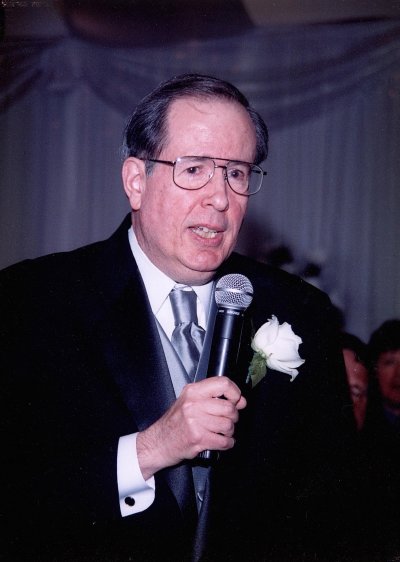 Gene Doretti will present “Adventures in Patriotism” at 10:30 a.m. Tuesday, Sept. 11, at the Oak Park Arms retirement community, 408 S. Oak Park Ave.
Doretti will honor victims of the terrorist attacks of 9/11 by presenting topics such as the history of the Statue of Liberty; Sydney L. DeLove’s “Can We Wave the Flag too Much’” General Douglas MacArthur’s speech, “Duty, Honor, Country” and a portion of the “Gettysburg Address.”
Originally called “Prayer and Remembrance for the Victims of the Terrorist Attacks,” Patriot Day is designated in memory of the victims of Sept. 11. Since 2002, on this day the President requests that the American flag be flown at half-staff and a moment of silence is to begin at 8:46 a.m., the time when the first plane struck the World Trade Center.
The presentation will also feature music including the original 1897 Sousa’s Stars and Stripes and the original sheet music of Irving Berlin’s God Bless America.
Doretti’s interest in radio began in high school, and his first radio job was broadcast from the station at the Oak Park Arms Hotel.
He attended Northern Illinois University in the 1950s, majoring in speech and journalism. In 1960, he was offered a job at WGN, where he was employed for 31 years. Through his work he has interviewed countless celebrities and politicians such as John F. Kennedy, Robert F. Kennedy and Richard Nixon.
Following his WGN career, he did voiceover work for radio and TV including commercials and industrial films.
Doretti, a former Berwyn resident, lives in Lombard.
The Oak Park Arms is a rental retirement community which provides independent and assisted living apartments and a full schedule of activities and services. Furnished apartments are also available for a short-term stay – a weekend, a week, a month or longer.
The event is free and open to the public. For more information, call Jill Wagner at 708-386-4040.

 Posted in Events |
  Tags: assisted living, assisted living Oak Park, free, Gene Doretti, Oak Park Arms, Patriot Day, patriotism |
  No Comments »
Summer Jazz Festival features Jeremy Kahn Trio at Oak Park Arms
 The Monday Night Concert Series continues with “The Jeremy Kahn Trio” by jazz pianist Jeremy Kahn at 7 p.m. Monday, Sept. 10, at the Oak Park Arms, 408 S. Oak Park Ave.
Kahn and his group will perform some of the best songs of the 20th century. Referred to by Chicago Tribune’s Howard Reich as “a rare and gifted pianist,” Kahn has played in jazz venues around the world and pit orchestras for theatrical events such as “Wicked.” He has also performed with artists such as Dizzy Gillespie, Max Roach, Joni Mitchell, Phil Woods, Alvin and the Chipmunks, and Aretha Franklin.
After over a decade living in New York, this Chicago native has returned home and now lives in Oak Park with his family.
The Oak Park Arms is a rental retirement community which provides independent and assisted living apartments and a full schedule of activities and services. Furnished apartments are also available for a short-term stay – a weekend, a week, a month or longer.
The event is free and open to the public. Call Jill Wagner at 708-386-4040.
Posted in Events |
Tags: assisted living, assisted living Oak Park, free, jeremy kahn, jeremy kahn trio, music, Oak Park Arms |
No Comments »
Tap Dance Class with Roberta Kulik at the Oak Park Arms
Taught by Roberta Kulik, the Oak Park Arms’ monthly tap dance workshop takes place at 11:30am, Thursday, Sept. 13, at the Oak Park Arms, 408 S. Oak Park Ave.
The first 15 minutes features basic tap moves that can be done either sitting or standing. Kulik continues the class with 45 minutes of basic tap steps and routines. Tap shoes are welcome, though not required.
This type of dance is a left-brain/right-brain workout great for coordination, balance and memory.
The Oak Park Arms is a rental retirement community which provides independent and assisted living apartments and a full schedule of activities and services. Furnished apartments are also available for a short-term stay – a weekend, a week, a month or longer.
The workshop is free and open to the public. For more information, call Jill Wagner at 708-386-4040.
Posted in Oak Park Arms, Senior Fun |
Tags: assisted living, assisted living Oak Park, dance class, Oak Park Arms, senior dance, tap dance |
No Comments »
Mills Investment Club Meeting
 Visitors are welcome at the next meeting of the Mills Investment Club at 1 p.m. Tuesday, Sept. 4, at the Oak Park Arms, 408 S. Oak Park Ave. New members are always welcome to join or visit.
The club group provides a fun, easy, way to learn about investing. Mills Investment Club combines camaraderie, education and buying power, and confidence.
The Oak Park Arms is a rental retirement community which provides independent and assisted living apartments and a full schedule of activities and services. Furnished apartments are also available for a short-term stay – a weekend, a week, a month or longer.
The event is free and open to the public. Call Jill Wagner at 708-386-4040.
Posted in Events, Oak Park Arms, Senior Finances |
Tags: assisted living, assisted living Oak Park, finance, investment, investment club, Oak Park Arms |
No Comments »
Senior Foot Care Seminar
 An event titled “Breakfast with the Doctor” with Dr. Maria Chon takes place at 8:30 a.m. Thursday, March 29, at the Oak Park Arms retirement community, 408 S. Oak Park Ave. The subject is feet, and free foot screenings will be available to all attendees.
The weight of the world rests on a person’s feet. Podiatrists can help older people stay on their feet and continue to be active. Feet change with the aging process and so does the ability to care for feet.
Some common foot changes include:
- decrease in the foot pad on the bottom of the foot
- calluses
- thickening or thinning of toenails
- arthritis
- swelling
Mobility can be affected by bunions, hammertoes, corns, calluses and a multitude of other foot issues. Feet take a beating – five to seven times your body weight with every step, and start to break down late in life as the fat pad under the foot shrinks, tendons weaken and arthritis sets in.
If one has foot pain or any changes in the skin on the feet, a podiatrist can make recommendations to improve health.
Some common sense tips about good foot health:
- After bathing, one should dry well between the toes. This will decrease the development of athlete’s foot which can lead to further infection.
- Dry skin can be alleviated by using a moisturizing cream on the feet and legs.
- Toenails need to be trimmed. If health problems make it difficult to cut toenails, seek a professional, because if toenails are too long or thick, they can create more problems.
- Wear properly fitting shoes. Pressure from shoes or stockings can promote ingrown nails or cause sores to develop under the nails.
- Don’t let minor foot problems develop into large emergencies. If something is red, swollen and/or painful, consult your podiatric physician as soon as possible.
Dr. Chon has had an office in the Oak Park Arms for 14 years. It’s located in the south wellness corridor. Her office is open three days a week and she takes most major insurances. For an appointment, call 708-848-7334.
The Oak Park Arms is a rental retirement community which provides independent and assisted living apartments and a full schedule of activities and services. Furnished apartments are also available for a short-term stay – a weekend, a week, a month or longer.
The event is free and open to the public. For more information, call Jill Wagner at 708-386-4040.
‘Be wary,” say seniors in Oak Park
Watching network TV for an evening is a blur of commercials, many of them health related. Each remedy promises easy solutions to a host of ailments. It’s easy to understand the appeal of these promises, but there is still plenty of truth to the old saying, “If it sounds too good to be true, it probably is.”
Today, there are more ways than ever to sell untested products. In addition to TV, radio, magazines, newspapers, infomercials, mail, telemarketing, and even word-of-mouth, these products are now offered over the Internet—with websites describing miracle cures and emails telling stories of overnight magic. Sadly, older people are often the target of such scams.
According to National Institute on Aging, the problem is serious. Untested remedies may be harmful. They may be dangerous when used with medicines prescribed by the doctor, they may waste money, and sometimes, using these products keeps people from getting the medical treatment they need.
Living with a chronic health problem is difficult, so it’s easy to see why people might fall for a false promise of a quick and painless cure. What makes the elderly so vulnerable to this kind of thing? After all, they’re not stupid. They are, however, trusting. They don’t expect crooks to be calling them. They want to take people at their word. They don’t want to appear rude by hanging up on a caller.
According to Associate Content.com Elderly people also tend to worry about their health and the increasing costs of medical care, and this makes them vulnerable to scams offering phony health insurance. In addition, elderly people are embarrassed about falling for such scams and don’t want their children to find out. They may fear that their children will think they are no longer competent to care for themselves and may worry about losing their independence.
Typically, ads or telemarketing calls target diseases that have no cures like diabetes, arthritis, and Alzheimer’s disease.
Beware:
- Cancer cures
- Anti-aging medications
- Arthritis remedies
- Memory aids
- Dietary supplements
- Health insurance
Question what you see or hear in ads, telephone calls, or on the internet. Find out about a product before you buy. Don’t let a salesperson talk you into making a snap decision. Most important, check with your doctor first.
Look for red flags in ads or promotional material that:
- Promise a quick or painless cure
- Claim the product is made from a special, secret, or ancient formula
- Offer products and services only by mail
- Use statements or unproven case histories from so-called satisfied patients
- Claim to be a cure for a wide range of ailments
- Claim to cure a disease (such as arthritis or Alzheimer’s disease) that hasn’t been cured by medical science
- Promise a no-risk, money-back guarantee
- Offer an additional “free” gift or a larger amount of the product as a “special promotion”
- Require advance payment and claim there is a limited supply of the product
Two Federal government agencies work to protect people from health scams. The Federal Trade Commission can help you spot fraud. The Food and Drug Administration protects the public by assuring the safety of prescription drugs, biological products, medical devices, food, cosmetics, and radiation-emitting products. If you have questions about a product, again talk to your doctor.
Posted in Senior Wellness Tips |
Tags: assisted living, oak park, Oak Park Arms, retirement community, senior scams |
No Comments »
Water, water, everywhere… so drink!
 Did you know that older adults need up to 10 percent more fluids than that of their younger counterparts? It’s true that as people get older, they get drier.
Dehydration is one of the most frequent causes for hospitalization for seniors. It can occur quickly, often without notice. But most likely the process of mild, chronic dehydration may have taken hold years or decades earlier.
According to Seniorslist.com, an elderly person should drink a minimum of at least six, eight-ounce glasses of water per day. More would be better.
Interestingly, the process of physical dehydration begins in the fetus. It accelerates at birth, childhood and throughout adulthood. A fetus is over 93% water. Dehydration gradually continues into old age when a person’s water content reaches only 60%. Most of this is water lost from the inside of cells.
What is clear is that many elderly simply do not drink enough fluids especially water, and adequate hydration is a chronic problem for many seniors.
Why don’t older adults drink enough?
- A major contributing factor for dehydration in the elderly includes a lowered thirst response. “But I’m not thirsty,” is a common response to being asked to drink more. The thirst sensation decreases with age, so basically, it is not reliable.
- Some medications such as anti-depressants or for high blood pressure are diuretic and may affect a body’s ability to regulate fluid balance.
- Dry mouth becomes something the elderly get used to. However, drinking more water brings back some sensation.
- The perceptions of thirst and hunger come from the same part of the brain. Thirst and hunger could become confused in the minds of many seniors. They drink when they should be eating or vice versa.
- Frail seniors have a harder time getting up to get a drink when they’re thirsty.
- The loss of thirst is the body’s way of dealing with the information that water is not going to be consumed. Years of drinking less water for our body weight leads the mouth-brain connection to minimize the thirst sensation.
- When thirst is perceived, too many elderly settle for a few ounces of water or sugary and/or caffeinated drinks instead of water.
- As we age our bodies lose kidney function and are less able to conserve fluid. This is progressive from around the age of 50, but becomes more acute and noticeable over the age of 70.
- Illness, especially one that causes vomiting and/or diarrhea, also can cause elderly dehydration.
Some of the signs and symptoms of dehydration include dry mouth, fatigue, flushed skin, irritability, anxiety, depressed mood, insomnia, concentration problems, light-headedness or dizziness, darkening of urine, increased weight loss and muscle weakness. Severe dehydration can lead to kidney failure and even death if not recognized and treated.
To prevent dehydration, fluids need to be easily available. Set up a hydration schedule offering fluids every couple of hours. A reminder could include to drink every time urination takes place. Another reminder could be to fill up a bottle of water, place it in the refrigerator with the goal to drink it all by 3 hours before bedtime. The bottle could gradually get bigger as weeks pass.
It is also wise that older adults eat fruits and vegetables that are rich in water such as broccoli, tomatoes, and oranges.
Drink first thing in the morning. Drink two hours after meals. Drink with meals.
Dehydration in seniors can be managed. As people drink more water, some improvements may be experienced immediately. However, it could take weeks for cells to become hydrated, so…
…be patient and keep drinking.
Yoga for seniors in Oak Park
 Yoga: a young person twisted up like a pretzel with apparent ease. That image is not necessarily the complete story. In fact, yoga is for all ages; no one is too old or too young for yoga.
One of the great things about yoga is that it is so adaptable to different populations with various physical abilities and needs. Most seniors are doing what they can to maintain and improve a sense of health and wellness. Many of the 36 million or so Americans who are 65 or older (stat provided by: about.com) are turning to yoga to keep them stay agile and in shape.
Although the trend is to become more sedentary, retirement is actually the perfect time to pick up healthy habits that will promote longevity. Yoga is well-suited for seniors, because it is low-impact, and risk of injury is minimal because the discipline does not require any contact with anyone or anything. In addition, yoga’s weight-bearing postures help build or maintain lean muscle mass, and its focus on balance develops coordination.
Yoga also helps combat many of the health conditions that come with age such as high blood pressure, arthritis and incontinence, because it keeps the body toned, strong and flexible..
An added benefit (and an important one) is the sense of community seniors find at yoga classes. As many elders live in isolation, the group setting of a yoga class offers seniors a way to connect.
According to dietsinreview.com, there are many yoga postures that can be safely performed by seniors. Such postures have both a restorative and therapeutic benefit to them. Of course, adaptations and adjustments should be made according to the person’s health status and their physical ability.
- Easy Pose (Sukhasana): The simple act of sitting down and breathing deeply and fully has an enormous capacity to tone the cardiovascular and pulmonary systems while also lengthening the spine, resting the mind, and cultivating a sense of peace. The beginner can do this posture for a minimum of 10 breaths and gradually work up to maintaining this posture for five to 10 minutes.
- Cat Pose (Bidalasana): This grounding posture helps tone the arm muscles while also strengthening the core and alleviating tightness in the low and upper back and neck. The beginner can do this posture for a minimum of five breath cycles and gradually work their way to doing more.
Older adults should get clearance from their doctor before starting a yoga practice. This is especially relevant for those who take medications or have a prior or current history of cardiovascular or pulmonary conditions. In addition, individuals should also seek out classes specifically designed for seniors, as they will take into account the unique health issues affecting them
Yoga classes especially for seniors are becoming increasingly available: check local senior centers, retirement communities, religious organizations and even health clubs.
How to Get a Good Night’s Sleep
 Mary Maryland, PhD, RN, will present a talk titled, “Sweet Dreams: How to Get a Good Night’s Sleep,” at 11 a.m. Saturday, May 21, at the Oak Park Arms retirement community, 408 S. Oak Park Ave.
Dr. Mary, as she’s affectionately called, will present important information on the topic of sleep.
A National Sleep Foundation poll of older adults found a close relationship between the health and quality of life of older adults, and their sleep quantity and quality. It found that the better the health of older adults, the more likely they are to sleep well. Conversely, the greater the number of diagnosed medical conditions, the more likely they are to experience sleep problems.
The National Sleep Foundation recommends tips for better sleep:
- exercise in the afternoon,
- avoid stimulants such as caffeine for at least three or four hours before bed,
- go to bed at the same time every night and wake at the same time each morning,
- avoid alcohol in the later evening, and
- try taking naps, but remember that sleep in the daytime affects sleep at night.
After the presentation, Dr. Mary will answer questions from the audience.
The Oak Park Arms is a rental retirement community which provides independent and assisted living apartments and a full schedule of activities and services. Furnished apartments are also available for a short-term stay – a weekend, a week, a month or longer.
The program is free and open to the public. For more information call Jill Wagner at 708-386-4040 or visit http://www.oakparkarms.com.
Posted in Events |
Tags: assisted living, assisted living Oak Park, oak park, Oak Park Arms, retirement community Oak Park, sleep |
No Comments »
Another Bruise?
What causes that dark, unsightly mark on a limb known as a bruise? Unable to remember bumping into anything, an older adult may be baffled about how a new bruise happened. It’s common to experience easy bruising with increasing age, because blood vessels become more fragile with age.
Bruises result when trauma or a blow to the body damages or ruptures tiny blood vessels under the skin. Not only are the elderly more prone to bruising, less force is required to cause a bruise. And with greater impact, deeper bruises of the muscles or bone can happen, which take longer to heal.
According to A Place for Mom, the medical term for a bruise is a contusion. What happens is blood leaks out of the vessels and initially appears as a bright or dark red, purple or black mark. Eventually the body reabsorbs the blood, and the mark disappears. If a bruise increases in size and becomes swollen and hard, it may be a hematoma, a localized collection of blood which becomes clotted or partially clotted.
Some people – especially women – are more prone to bruising than are others. In fact, several factors may contribute to increased bruising, including (Mayo Clinic):
- Aging capillaries – Over time, the tissues supporting these vessels weaken, and capillary walls become more fragile and prone to rupture.
- Thinning skin – With age, skin becomes thinner and loses some of the protective fatty layer that helps cushion blood vessels against injury. Excessive exposure to the sun accelerates the aging process in the skin.
Generally, the harder the blow, the larger the bruise. However, if a person bruises easily, a minor bump – one they may not even notice – can result in substantial discoloration. Arms and legs are typical locations for bruises.
Blood-thinning drugs such as aspirin and warfarin (Coumadin) or medications such as clopidogrel (Plavix) reduce the blood’s ability to clot. Because of this, bleeding from capillary damage that would normally stop quickly may take longer to stop, allowing enough blood to leak out to cause a bruise.
In addition, certain dietary supplements such as fish oil and ginkgo also may increase bruising, because these supplements have a blood-thinning effect. Make certain the doctor knows about any supplements.
Bruise prevention
Below are some steps to take to prevent bruising from falls and collisions:
- Hold the handrails on stairways.
- Don’t stand on a chair to get to something.
- Clear floors where you walk.
- Mount grab bars near toilets, tubs and showers.
- Place non-skid mats, strips, or carpet on all surfaces that may get wet.
- Put night lights and light switches close to your bed.
- Tack down all carpets and area rugs.
- Always close cabinet doors and drawers so you won’t run into them.
- Be especially careful around pets.


